Pulp and Paper Xylanase Enzyme About
Apex International is one of the leading Pulp and Paper Xylanase Enzyme exporter from india.
Activity: 10000 IU/gm to 1,00,0000 IU/gm (Activity level can be customized as per customers requirement).
Xylanase enzymes play a crucial role in the bleaching of hardwood and non-wood pulps during pulp bleaching processes. They assist in effectively removing hemicellulose, specifically xylan, from the pulp fibers.
The application of xylanase can result in enhancements in pulp characteristics, such as improved drainage and dewatering capabilities, decreased energy needs for refining, and strengthened pulp quality.
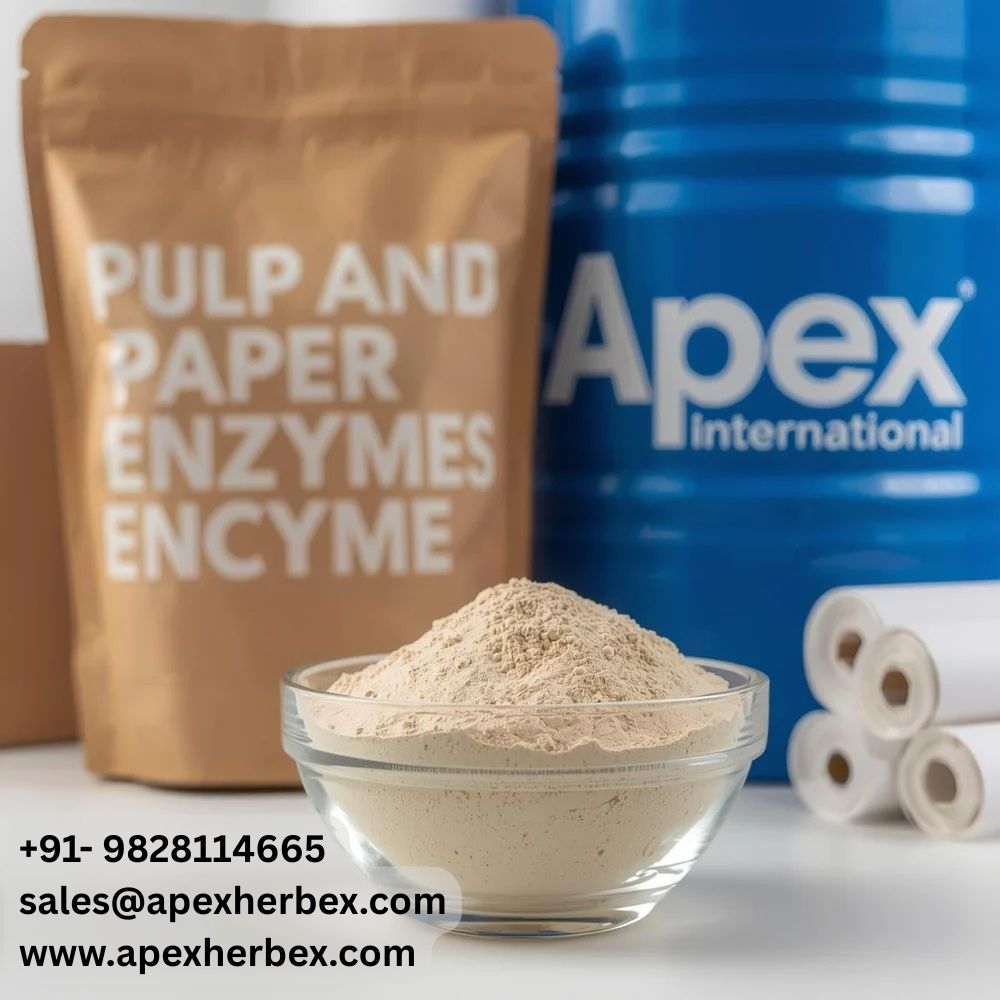
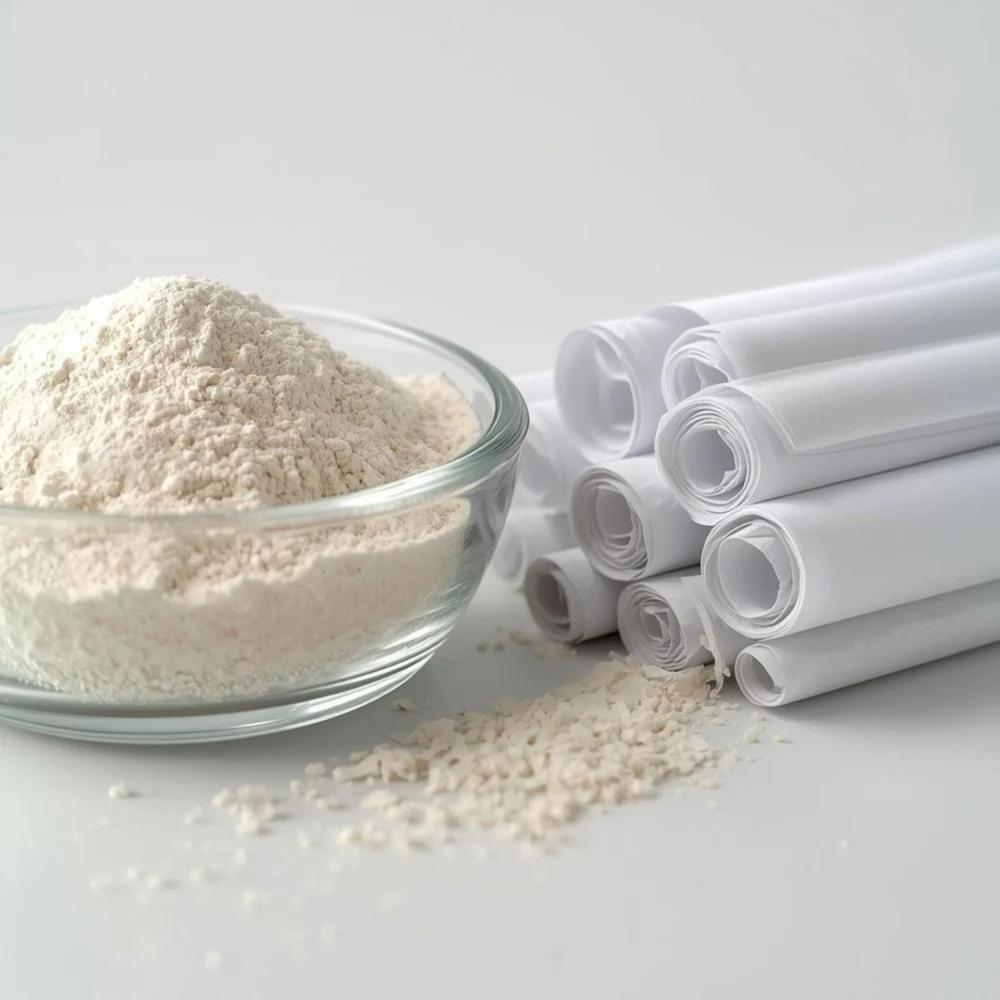
Efficient Pulp and Paper ProcessingThis Xylanase enzyme speeds up the breakdown of xylan, supporting bleaching, deinking, and fiber modification in pulp and paper manufacturing. Its high activity and purity promote a cleaner process and superior product quality with minimized chemical intervention. Adaptable to your desired activity grade, it is suitable for various production scales.
Customizable and Stable FormulationAvailable in powder or granular form, the enzyme can be tailored from 10,000 IU/gm to 1,00,000 IU/gm to meet customer specifications. It maintains stability with a moisture content below 8% and is packaged securely in 25 kg HDPE drums, guaranteeing a 12-month shelf life if stored cool, dry, and away from sunlight.
FAQ's of Pulp and Paper Xylanase Enzyme:
Q: How is Pulp and Paper Xylanase Enzyme used in the paper production process?
A: The enzyme is applied during the pulp bleaching, deinking, or fiber modification stages. It is mixed with the aqueous pulp mixture at recommended concentrations and allowed to act within the optimal pH and temperature range, enhancing fiber quality and reducing chemical usage.
Q: What are the main benefits of using this xylanase enzyme in pulp and paper processing?
A: Employing xylanase improves pulp brightness, lowers the requirement for harsh bleaching agents, enhances deinking efficiency, and supports better fiber modification. This leads to cost savings, reduced environmental impact, and improved product quality.
Q: When should the enzyme be added during the pulp and paper manufacturing process?
A: Xylanase should be introduced after initial pulping but before extensive chemical bleaching or deinking steps. This allows the enzyme to effectively break down xylan and facilitate easier removal of lignin and ink.
Q: Where should the Pulp and Paper Xylanase Enzyme be stored for optimum shelf life?
A: The enzyme should be kept in a cool, dry place away from direct sunlight and stored in its original, sealed HDPE drum or designated packaging. Proper storage ensures it remains effective for up to 12 months.
Q: What is the recommended process for dissolving and applying the xylanase enzyme?
A: Dissolve the required amount of powdered or granular enzyme directly into water or the pulp slurry, ensuring thorough mixing. Make sure the processing environment maintains a pH between 5.0 and 9.0 and a temperature of 40-60C for best enzymatic activity.
Q: Can the enzyme activity level or packaging size be customized?
A: Yes, the activity level can be adjusted from 10,000 IU/gm up to 1,00,000 IU/gm, and packaging can be tailored beyond the standard 25 kg HDPE drum as per customer requirements.
Q: Is the Pulp and Paper Xylanase Enzyme safe or edible?
A: No, this enzyme is specifically intended for industrial applications within the pulp and paper sector and should not be used in food or edible products.






 Send Inquiry



 Send Inquiry

 Send Inquiry


 Send Inquiry
 Send SMS
 Call Me Free


 English
 Spanish
 French
 German
 Italian
 Chinese (Simplified)
 Japanese
 Korean
 Arabic
 Portuguese