Papain Pharmaceutical Enzyme About
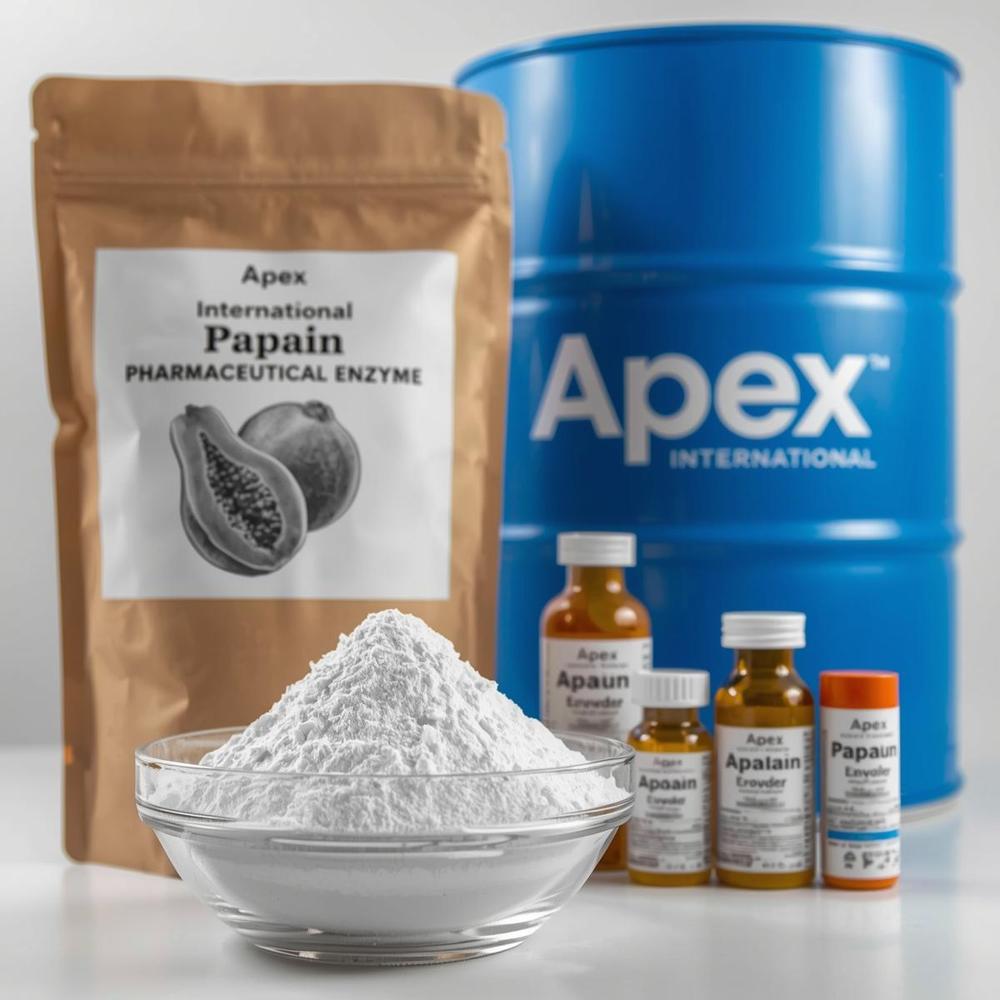
Apex International is one of the leading Pharmaceutical Papain Enzyme Powder exporter from india.
Activity: 100 TU/mg to 1000 TU/mg (Activity level can be customized as per customers requirement).
Papain is a popular ingredient found in many pharmaceutical products that aid digestion. It works by breaking down proteins into smaller components like peptides and amino acids, which makes it easier for our bodies to digest food.
Papain has some amazing abilities when it comes to healing wounds. Its commonly found in ointments, gels, and creams that are used to remove dead tissue, speed up the healing process, and promote wound healing.Versatile Applications Across IndustriesPapain enzyme powder is a multi-functional product, widely utilized in medical treatments, food processing, brewing, cosmetics, and the textile sector. Its ability to break down proteins efficiently makes it indispensable for tenderizing meat, clarifying beer, facilitating digestion, and fabric treatment. The enzyme's compatibility with different industrial pH and processing conditions underscores its broad usability.
Premium Quality and ReliabilitySourced and manufactured in India, this papain enzyme stands out with a purity of 99% and consistent enzyme activity. Rigorous quality control ensures less than 1% ash, minimal admixture, and a fineness standard where 90% passes through 80 mesh. With storage recommendations stressing a cool, dry environment away from sunlight, long-term effectiveness is maintained, supporting reliable supply opportunities for exporters and manufacturers.
FAQ's of Papain Pharmaceutical Enzyme:
Q: How should Papain Pharmaceutical Enzyme powder be stored for optimal shelf life?
A: To ensure maximum shelf life and enzyme activity, Papain Pharmaceutical Enzyme powder should be stored in a cool, dry place away from direct sunlight. Keeping it sealed and protected from moisture can help maintain its efficacy for up to two years.
Q: What are the primary uses of papain enzyme in the food and medical industries?
A: In the food industry, papain is primarily used for meat tenderization and beer clarification, while in medical applications, it supports protein digestion and is utilized in enzymatic debridement preparations. Its proteolytic nature allows it to break down complex proteins into simpler compounds for enhanced absorption and processing.
Q: When is the right stage to add papain in industrial processes such as brewing or textile treatment?
A: Papain is typically added during specific stages where protein breakdown is crucial-for instance, during wort chilling in brewing or pre-treatment of textile fibers to enhance softness and quality. Managed pH and temperature within its stability range optimize its activity in these industrial environments.
Q: Where is this papain enzyme manufactured and exported from?
A: This papain enzyme is manufactured, supplied, and exported from India, where strict quality standards are maintained throughout the production and drying process.
Q: What are the benefits of using papain with a high purity and controlled enzyme activity?
A: High purity (99%) papain with a standardized enzyme activity range (300-1800 TU/mg) ensures predictable results and safety in sensitive applications. It offers efficient protein hydrolysis, consistent performance, and minimal impurities, which is critical for food, medical, and cosmetic use.
Q: How is papain processed to achieve its off-white color and fine texture?
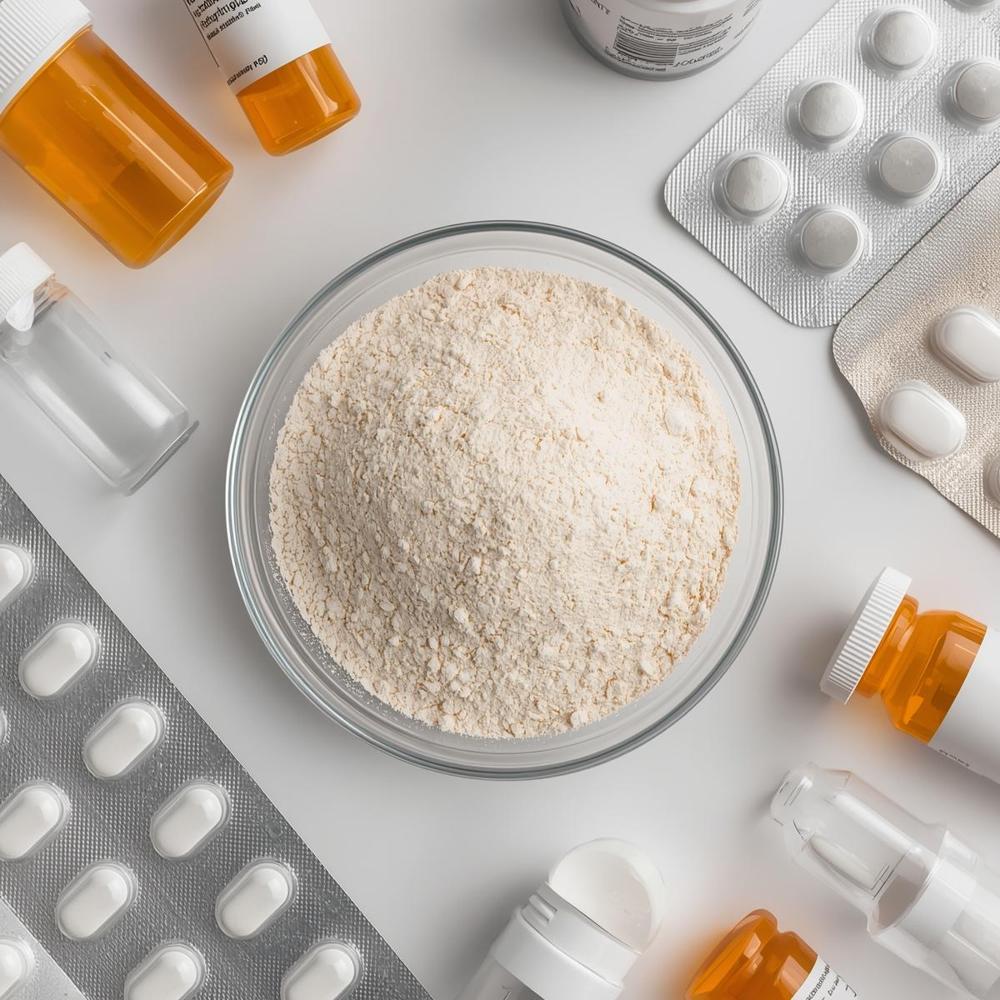
A: Papain is extracted and dried using sun drying methods, followed by precision milling so that 90% of the powder passes through an 80 mesh sieve. This process results in an off-white, fine-textured powder that dissolves readily in water for various applications.
Q: What advantages does papain enzyme offer over other proteolytic enzymes for industrial usage?
A: Papain provides a broad pH stability (5.0-7.0), excellent solubility, and efficacy at low moisture levels. Unlike some other enzymes, it is edible, has an extended shelf life, and retains high activity and purity-making it a preferred choice for food, pharmaceutical, and industrial processes.







 Send Inquiry



 Send Inquiry

 Send Inquiry


 Send Inquiry
 Send SMS
 Call Me Free


 English
 Spanish
 French
 German
 Italian
 Chinese (Simplified)
 Japanese
 Korean
 Arabic
 Portuguese