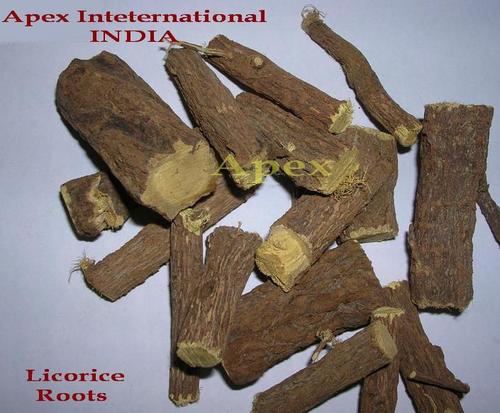
Mulethi (Licorice Roots) About
Mulethi is taken by mouth for various digestive system complaints including stomach ulcers, heartburn, colic, and ongoing inflammation of the lining of the stomach (chronic gastritis).
Some people take Mulethi by mouth for sore throat, bronchitis, cough, and infections caused by bacteria or viruses.
Mulethi is also taken by mouth for Addisons disease, a type of diabetes caused by a hormone deficiency (diabetes insipidus), menopausal symptoms, osteoporosis, osteoarthritis, systemic lupus erythematosus (SLE), liver disorders, malaria, tuberculosis, high potassium levels in the blood, food poisoning, chronic fatigue syndrome (CFS), a condition in which there is too much muscle tone (hypertonia), abscesses, recovery after surgery, rash, high cholesterol.
Export inquiry is welcome
Traditional Herb with Versatile ApplicationsMulethi is celebrated for its extensive use in Ayurveda, culinary arts, and herbal medicine. Sourced in winter from select regions in India, the light brown, sweet root supports well-being and enhances tea blends, supplements, and recipes. Its mild aroma and variable root sizes make it a flexible ingredient for manufacturers, suppliers, and exporters.
Premium Quality and Purity GuaranteedWe offer Grade A Mulethi roots with 99% purity, carefully sun-dried and cleaned. Our roots are free from impurities, gluten, GMO, and artificial additives. Packaged in moisture-proof bags or as specified, they retain freshness for up to 12 months when stored in dry conditions, ensuring users experience authentic herbal quality.
FAQs of Mulethi (Licorice Roots):
Q: How is Mulethi (Licorice Root) processed before packaging?
A: Mulethi roots are harvested during winter, sun-dried, cleaned thoroughly to eliminate impurities, and then offered as whole or cut pieces. The natural drying process preserves the sweet flavor and medicinal properties, ensuring a high-purity final product.
Q: What are the recommended uses of Mulethi?
A: Mulethi is traditionally used in herbal medicine, teas, ayurvedic formulations, culinary applications, and as a natural flavoring agent. It can be consumed as directed by a physician or adapted to recipes for added sweetness and health benefits.
Q: When is Mulethi typically harvested for optimum quality?
A: Mulethi roots are best harvested during the winter season, which ensures peak concentration of beneficial compounds and optimal sweetness.
Q: Where should Mulethi roots be stored to maintain freshness?
A: To retain quality, store Mulethi roots in a dry, well-ventilated area, away from moisture and direct sunlight. Proper storage in sealed plastic bags or pouches can extend shelf life up to 12 months.
Q: What health benefits does Mulethi offer?
A: Mulethi supports respiratory health, has natural anti-inflammatory properties, and serves as a gentle herbal remedy. Its sweet, earthy taste makes it an appealing addition to tea blends and supplements.
Q: Is Mulethi suitable for people with dietary restrictions?
A: Yes, Mulethi is gluten-free, non-GMO, and contains no artificial preservatives, making it suitable for adults, herbal remedy users, and those with specific dietary needs.







 Send Inquiry



 Send Inquiry

 Send Inquiry


 Send Inquiry
 Send SMS
 Call Me Free


 English
 Spanish
 French
 German
 Italian
 Chinese (Simplified)
 Japanese
 Korean
 Arabic
 Portuguese